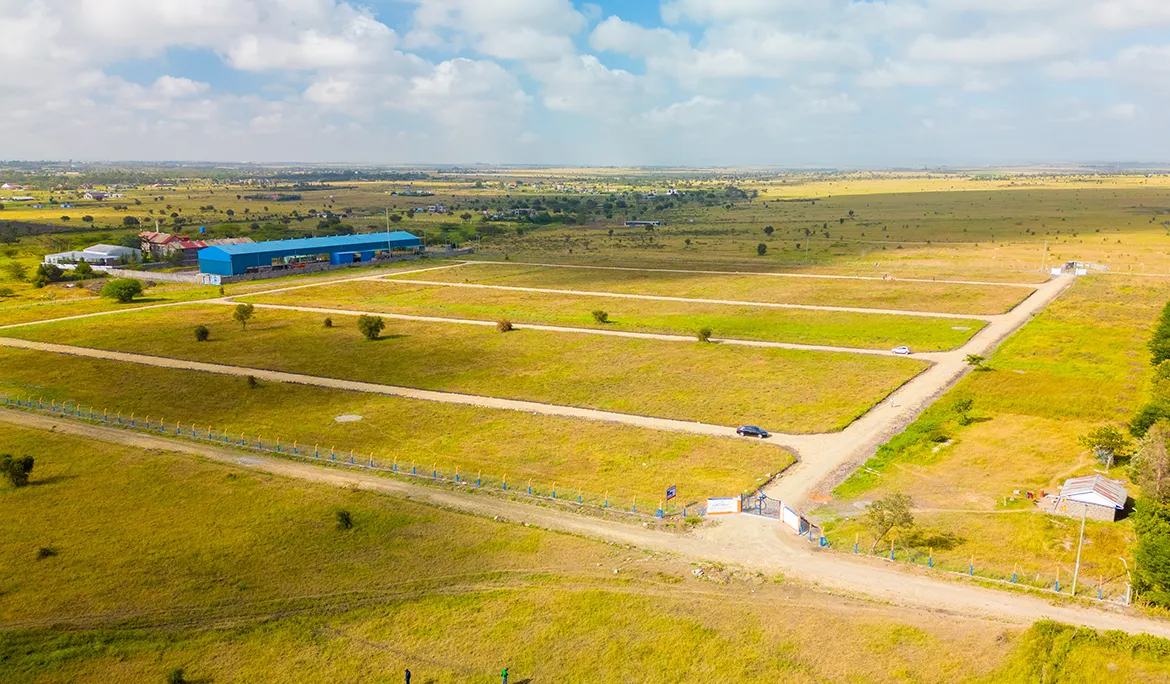
Introduction: Why choosing Trusted Land Sellers in Kenya matters
Buying land in Kenya is an important financial decision. For many people, it represents years of saving, an opportunity to build a family home, or a long-term investment for future generations. However, although the Kenyan property market offers numerous opportunities, buyers must exercise caution when choosing where and from whom to purchase land.
Trusted Land Sellers in Kenya make the buying process more transparent by providing clear property information, supporting proper documentation and allowing buyers to conduct independent legal checks. Nevertheless, buyers should never assume that a seller is legitimate simply because they have an attractive website, a physical office, impressive advertisements or affordable plots.
Instead, every prospective landowner should establish whether the seller has the legal authority to sell the property and whether the land can be transferred lawfully. Furthermore, buyers should verify ownership through the relevant land registry and seek independent legal advice before making substantial payments.
Whether you are looking for residential plots in Nairobi, affordable land in Kiambu, agricultural land in Nakuru, investment property in Kajiado or plots in the coastal region, due diligence is essential.
This guide explains how to identify Trusted Land Sellers in Kenya, verify land ownership, compare property options and protect your money throughout the buying process.
What makes land sellers in Kenya trustworthy?
Not every company advertising land for sale has the same level of professionalism, transparency or legal authority. Therefore, it is important to evaluate each seller using objective criteria rather than relying exclusively on marketing claims.
1. Verifiable land ownership and selling authority
First, establish who legally owns the land. A seller should be able to provide the relevant title information and cooperate with the verification process.
If a company is selling land on behalf of an individual, developer, family or another company, request evidence that it is authorised to conduct the transaction.
Additionally, confirm that the seller’s name, the registered proprietor’s details and the property records are consistent. Where the names differ, ask an independent conveyancing advocate to investigate the relationship and confirm that the proposed transaction is lawful.
2. Transparent pricing and payment terms
Secondly, reputable land sellers should clearly explain the selling price and any additional costs.
For example, the total amount payable may include legal fees, applicable stamp duty, registration charges, survey expenses and other transaction-related costs.
Consequently, ask for a written quotation or breakdown before committing yourself. You should also understand the deposit requirements, instalment schedule, completion period and circumstances under which a refund may be available.
Be cautious if a seller introduces unexpected charges after receiving your deposit or insists that you pay immediately to secure a supposedly limited offer.
3. Proper documentation and a clear transfer process
Furthermore, trustworthy sellers should explain the documents required to complete the transaction. Depending on the property and circumstances, these may include a title deed or certificate of lease, sale agreement, official search results, identification documents, relevant consents and transfer documents.
The exact requirements vary according to the type of land and transaction.
Importantly, receiving a sale agreement or payment receipt does not, by itself, establish that ownership has been transferred and registered in your name.
4. A willingness to support independent verification
Another important sign of a professional seller is a willingness to let the buyer conduct independent due diligence.
For instance, a seller should not discourage you from visiting the property, consulting an advocate, confirming the boundaries with a qualified surveyor or conducting an official land search.
Ultimately, Trusted Land Sellers in Kenya should welcome reasonable verification rather than pressure buyers into making decisions without sufficient information.
How to identify Trusted Land Sellers in Kenya
Before choosing a property, compare potential sellers using a consistent evaluation process. This makes it easier to distinguish genuine opportunities from risky offers.
Research the company and its track record
Begin by researching the company’s registered business details, physical office, management and previous projects.
Look for evidence of completed transactions, documented developments and consistent customer service. In addition, check whether the business has a verifiable history of responding to customer complaints.
Online reviews can be useful; however, they should not be your only source of evidence. Reviews can be incomplete or misleading, and a positive reputation does not prove that a particular parcel has a clean title.
Where possible, speak with previous customers independently and ask about their experience with documentation, payments, possession and title transfers.
Visit the property before paying
Secondly, arrange a physical site visit.
During the visit, inspect the access road, surrounding developments, available utilities, drainage and general condition of the property. Also, assess whether the location suits your intended use.
For example, land intended for residential development may require reliable road access, electricity, water availability and appropriate planning permissions. Agricultural land, on the other hand, may require a different assessment of soil conditions, water access and permitted land use.
However, a site visit alone cannot prove ownership. Always combine physical inspection with official searches and independent professional advice.
Confirm the boundaries and acreage
In addition, ask a qualified surveyor to verify the parcel’s location, measurements and boundaries where necessary.
This is particularly important for subdivided plots, agricultural land and property in developing areas. A plot may look correctly marked on the ground while its recorded dimensions or boundaries differ from the official survey information.
The State Department for Lands provides survey-related services, including access to records that can help verify parcel dimensions and boundary information.
You can consult the official State Department for Lands survey services for further information.
Compare several sellers before deciding
Finally, compare more than one seller and property.
Consider the total cost, location, title status, access, development potential, payment terms and expected transfer timeline. A slightly more expensive property with clear documentation and suitable access may be a better investment than a cheaper plot with unresolved ownership or boundary issues.
How to verify a title deed in Kenya
Title verification is one of the most important steps when purchasing land. Although a seller may present an original-looking title deed, the document should be checked against the relevant official land records.
Step 1: Obtain the property details
Request the title deed or certificate of lease details and the parcel number, also known as the land reference number where applicable.
The seller should provide sufficient information for your advocate to identify the correct parcel and relevant registry.
Step 2: Conduct an official land search
Next, arrange an official land search through the relevant registry or the applicable government land information system.
The State Department for Lands explains that an official search helps establish the recorded ownership status of a property and identify encumbrances such as charges, cautions and restrictions.
These details matter because a property may be subject to interests that affect the seller’s ability to transfer it freely.
For official guidance, consult the State Department for Lands’ information on search certificates.
Where the service is available for the relevant property, you can also consult Ardhisasa, the government’s land information platform.
Importantly, the appropriate verification route depends on the parcel and the records available in the relevant registry. If the information is incomplete or inconsistent, seek clarification directly from the responsible land office and through your advocate.
Step 3: Check for encumbrances and restrictions
An official search should be reviewed for registered interests that may affect the transaction.
For example, a charge may indicate that the land is security for a loan. A caution or restriction may affect whether particular dealings can proceed.
Therefore, do not assume that you can purchase and transfer the property immediately simply because the seller has a title document.
Your advocate should establish what steps are necessary to resolve any relevant issue before completion.
Step 4: Verify the seller’s identity and authority
Compare the registered proprietor’s details with the seller’s identification and supporting documents.
Where a company owns the land, confirm the company’s legal identity and the authority of the people executing the transaction. Where the seller acts through an agent, representative or power of attorney, have your advocate verify the relevant authority.
Similarly, land being sold by an estate or family may require additional succession documents or consents.
Step 5: Confirm the physical parcel
Finally, verify that the land being shown to you corresponds with the parcel in the official records.
A surveyor can help establish the location, measurements and boundaries. In addition, check for potential access disputes, overlapping boundaries, occupation by third parties or other circumstances that may affect your intended use.
Taken together, these checks provide a stronger basis for deciding whether to proceed.
The legal process of buying land in Kenya
After identifying a suitable property and confirming that the seller can lawfully sell it, the next step is to complete the transaction correctly.
Engage an independent conveyancing advocate
First, appoint an advocate experienced in Kenyan land transactions.
An independent advocate can review the title information, conduct or coordinate due diligence, prepare or review the sale agreement, explain relevant conditions and oversee the transfer process.
Although this involves professional fees, independent legal advice can help identify risks before money changes hands.
Sign a properly prepared sale agreement
Secondly, ensure that the sale agreement accurately describes the parties, property, purchase price, deposit, payment schedule, completion date and obligations of each party.
It should also address relevant conditions, default procedures and any agreed refund arrangements.
Do not sign an incomplete agreement or rely solely on verbal promises made during a sales meeting.
Obtain the necessary consents and approvals
Depending on the property, the transaction may require specific consents or approvals.
For example, certain agricultural land transactions within land control areas may require Land Control Board consent. Leasehold property may involve additional conditions, while transfers involving companies, estates or jointly owned land may have their own requirements.
Your advocate should identify which requirements apply to the specific transaction.
Complete payment and register the transfer
After the contractual conditions have been met, the parties can proceed with completion, payment and submission of the required transfer documents.
The applicable stamp duty and registration charges should be confirmed for the particular transaction.
Ultimately, ensure that the transfer is registered and that the relevant ownership record or title documentation reflects your ownership. Keep copies of the sale agreement, payment evidence, official searches, transfer documents and registration records.
For the applicable legal framework, consult Kenya Law’s Land Registration Act.
Where to find genuine land for sale in Kenya
The best location depends on your budget, intended use and investment objectives. Rather than choosing a location simply because it is popular, assess its suitability and verify each individual property.
Residential plots near Nairobi
Areas within and around Nairobi’s metropolitan region may appeal to buyers planning to build homes or hold land for future development.
Depending on your budget, you could investigate suitable properties in parts of Kiambu, Machakos, Kajiado and other neighbouring areas.
However, development patterns and prices vary considerably by neighbourhood. Therefore, compare access roads, utilities, approved land use, nearby amenities and actual transaction evidence before deciding.
Affordable plots in developing towns
Buyers seeking relatively affordable plots may consider selected locations in counties such as Nakuru, Murang’a, Uasin Gishu and Kajiado.
Nevertheless, a low asking price should not automatically be interpreted as a bargain.
Instead, consider whether the property has secure ownership, usable access, suitable terrain and realistic development prospects. Additionally, investigate whether planned infrastructure improvements are confirmed or merely promotional claims.
Agricultural land
Agricultural land may suit farming, livestock keeping or other permitted agricultural activities.
Before purchasing, evaluate soil conditions, rainfall, water availability, road access and the practical cost of operating the land. You should also verify the applicable land-use restrictions and ownership arrangements.
Land for long-term investment
Some buyers purchase land with the intention of selling it later at a profit. Although land can appreciate, future returns are not guaranteed.
Consequently, assess demand, infrastructure, access, comparable properties and the time you may need to hold the investment. Avoid relying exclusively on a salesperson’s promised resale price or projected appreciation.
Common land-buying scams and warning signs
Even when a seller appears professional, the particular property may carry risks. Therefore, look out for the following warning signs.
Pressure to pay immediately: Claims that you must send money before conducting basic checks should prompt caution.
Unusually low prices: A price substantially below comparable properties may warrant further investigation.
Refusal to allow an official search: A seller who prevents independent verification creates a serious concern.
Inconsistent ownership details: Differences between the title, identification documents, company records and sale agreement must be resolved.
Unclear subdivision status: A plot marketed as an individual parcel may not yet have the necessary approvals or registration.
Unverified payment instructions: Never assume that a personal phone number or bank account belongs to the lawful seller. Independently confirm the recipient’s identity and the payment arrangements.
Promises of guaranteed returns: No seller can reliably guarantee that land will double in value within a specified period.
If any of these warning signs arise, pause the transaction until the issue has been independently resolved.
How to compare Trusted Land Sellers in Kenya
A simple comparison framework can help you assess potential sellers objectively.
| Evaluation factor | What to check |
|---|---|
| Ownership | Can the registered owner be independently verified? |
| Legal authority | Is the seller authorised to sell the property? |
| Title status | Has an official search been completed and reviewed? |
| Boundaries | Do the survey details match the actual parcel? |
| Pricing | Are all costs and payment conditions explained? |
| Documentation | Is there a clear, legally reviewed transfer process? |
| Site access | Are roads and access rights suitable and verified? |
| Customer experience | Can previous transactions be independently checked? |
| Communication | Does the seller answer questions clearly and consistently? |
This framework does not replace legal advice. Nevertheless, it gives buyers a practical way to compare different offers and identify matters requiring further investigation.
Why due diligence builds trust in Kenya’s land market
A successful land transaction depends on more than the seller’s reputation. It also requires accurate records, appropriate professional advice, clear communication and compliance with the relevant law.
The National Land Commission has constitutional responsibilities that include managing public land on behalf of national and county governments and advising on land registration policy. Meanwhile, the State Department for Lands provides services relating to land administration, registration, surveying and planning.
Understanding the roles of these institutions helps buyers identify the appropriate channels for verification and clarification.
Furthermore, the Constitution of Kenya establishes principles governing land and recognises the country’s public, community and private land categories. These distinctions matter because the legal requirements and ownership arrangements may differ.
For authoritative background, consult the Constitution of Kenya and the applicable land legislation.
Ultimately, choosing Trusted Land Sellers in Kenya should be part of a broader process of independent verification rather than a substitute for it.
Frequently asked questions about Trusted Land Sellers in Kenya
1. How can I find Trusted Land Sellers in Kenya?
Start by researching established property companies, developers and authorised landowners. Then, verify the seller’s identity, confirm their authority to sell, conduct an official land search, inspect the property and seek independent legal advice before paying a substantial deposit.
2. How do I know whether a title deed is genuine in Kenya?
Do not rely on the appearance of the document alone. Obtain the relevant property details and arrange an official search through the appropriate land registry or government system. Your advocate should compare the official records with the seller’s documents and investigate any inconsistencies.
3. Can I buy land in Kenya through instalments?
Yes, some sellers offer instalment payment arrangements. However, the terms differ between sellers and properties. Before signing, establish the total purchase price, payment deadlines, deposit conditions, default consequences and arrangements for transfer. Have an advocate review the agreement.
4. Is it safe to buy land from a real estate company?
Buying through a real estate company can offer a structured process, but the company’s reputation alone does not guarantee that a particular property is safe to purchase. Verify the registered ownership, the company’s authority to sell, the parcel details and the transfer requirements independently.
5. What documents should I check before buying land in Kenya?
Depending on the transaction, these may include the title deed or certificate of lease, official search results, identification and tax documents, sale agreement, survey information, relevant consents and transfer documents. Your advocate should determine the complete list for the specific property.
6. What is the importance of an official land search?
An official search helps establish the ownership recorded in the relevant registry and identify registered interests or restrictions affecting the property. Therefore, it is an important part of due diligence before purchase, although it should be considered alongside other legal and physical checks.
7. Which areas in Kenya are best for buying affordable land?
The answer depends on your budget, intended use and preferred location. Parts of Kajiado, Machakos, Kiambu, Nakuru and other developing areas may offer options at different price levels. Compare specific properties, however, rather than assuming an entire county is affordable or suitable for investment.
8. Should I pay a deposit before conducting a land search?
As a general precaution, complete the essential ownership and legal checks before making a substantial or non-refundable payment. If a deposit is necessary to reserve a property, have your advocate establish appropriate written terms and safeguards before you pay.
9. Can land in Kenya increase in value over time?
Land may appreciate because of population growth, improved infrastructure, development and changing demand. Nevertheless, appreciation is not guaranteed. Location, title status, access, permitted use and market conditions can all affect future value.
10. What should I do if I suspect land fraud?
Stop further payments, preserve receipts, messages, agreements and other relevant evidence, and seek advice from an advocate. Depending on the circumstances, you may need to report the matter to the relevant authorities, including the police or the appropriate land office.
Conclusion: Choose Trusted Land Sellers in with confidence
Finding the right property starts with identifying a suitable location, understanding your budget and selecting a seller who can demonstrate the legal authority to complete the transaction.
However, even the most convincing sales presentation cannot replace independent verification. Therefore, conduct an official land search, confirm the seller’s identity, verify the boundaries, review the sale agreement and engage a qualified conveyancing advocate before completing your purchase.
Whether you are buying your first residential plot, acquiring agricultural land or planning a long-term investment, these steps can help you make a more informed decision.
Remember that Trusted Land Sellers in Kenya should support transparency, proper documentation and independent due diligence. By following a structured buying process, you can reduce avoidable risks and approach your land investment with greater confidence.
Before committing your savings, take the time to verify the property, understand the legal requirements and ensure that the transfer is completed and registered correctly.