Introduction
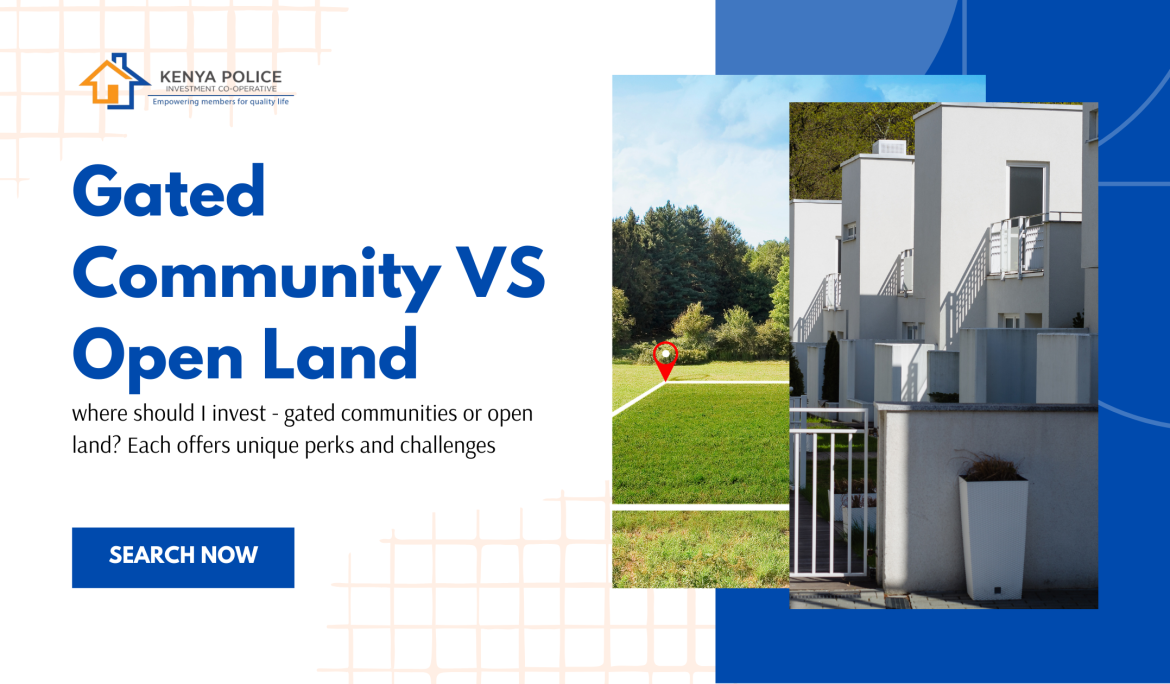
Real estate is one of the most powerful tools to build wealth. But the big question many face is: Where should I invest—gated communities or open land? Each offers unique perks and challenges. Whether you’re after long-term growth, security, flexibility, or income, the choice isn’t always black and white.
So, let’s break it down and help you figure out which option aligns best with your investment goals.
Understanding the Basics
What Is a Gated Community?
A gated community is a residential area with restricted access. These neighborhoods often have security guards, surveillance, and perimeter walls or gates. They’re popular among families and professionals looking for a secure and organized living environment.
What Is Open Land?
Open land refers to undeveloped property—no buildings, just raw land. This could be in rural or urban areas. It offers flexibility for agriculture, construction, or long-term holding.
Investment Goals and Preferences
Short-Term vs Long-Term Investment
Looking for quick returns? Gated communities offer rental income almost immediately. But if you’re in it for the long haul, open land may provide significant appreciation over time.
Active vs Passive Investors
If you prefer minimal involvement, a home in a gated community might be ideal. But if you’re hands-on and don’t mind developing or managing a project, open land offers more control and creativity.
Pros of Investing in Gated Communities
- Enhanced Security. The biggest draw is safety. With guards, gates, and CCTV, residents feel protected—something that boosts demand and resale value.
- Premium Amenities. Think swimming pools, gyms, playgrounds, and even golf courses. These features attract tenants willing to pay more.
- Higher Rental Yields. Gated communities often sit in prime locations and cater to a specific clientele, ensuring consistent rental income.
- Community Living and Management. Shared rules, maintenance, and governance ensure cleanliness and order. Perfect if you want a hassle-free experience.
Cons of Gated Communities
- Initial Costs. Properties in gated communities come at a premium. You’re paying for the lifestyle and amenities.
- Limited Customization. Want to build something unique? You might face restrictions on design, height, or usage.
- Homeowner Association (HOA) Fees. Monthly or annual fees cover maintenance but can eat into your profits.
Pros of Investing in Open Land
- Flexibility and Customization. Open land is a blank canvas. Build a home, start a farm, or create a commercial hub—the choice is yours.
- Potential for High Appreciation. As cities expand, raw land in growth corridors can skyrocket in value.
- Lower Entry Costs. Compared to built properties, land often comes cheaper, making it accessible to new investors.
Cons of Open Land Investments
- Development Challenges. No water, no electricity, and no roads? You’ll need to invest to make it usable.
- Legal and Zoning Issues. Is the land freehold? Agricultural or residential? Zoning laws can limit what you can do.
- Lack of Immediate Returns. Unlike a rental unit, bare land doesn’t generate income until developed or sold.
Market Trends and Demand
- Urbanization and Lifestyle Changes. As urban areas expand, gated communities are becoming more popular for their order and modern living.
- Rise of Gated Communities in Developing Areas. Places like Kenya, India, and Southeast Asia are seeing a boom in such communities due to rising middle-class demand.
Return on Investment (ROI) Comparison
- Long-Term Capital Growth. Both options offer capital growth, but open land often appreciates faster in emerging zones.
- Passive Income Opportunities. Gated communities win here. You can rent out apartments or homes with ease.
Legal Considerations
- Title Deeds and Ownership. Always verify land ownership and ensure there are no disputes—this applies to both options.
- Government Regulations and Compliance. Building codes, environmental clearance, and land use permissions are critical to check.
Risk Factors
- Market Volatility. Prices in both sectors can swing, especially with political or economic shifts.
- Environmental Risks. Flood zones, drought-prone areas, or protected land designations can affect usability and value.
Maintenance and Management
- Who Handles What? In gated communities, the HOA often takes care of maintenance. With open land, it’s all on you.
- Costs Involved in Each Option. Gated communities have fixed maintenance charges. Land may involve fencing, security, or service installation.
Best Fit for Your Lifestyle
- For Families and Retirees. Gated communities are great for safety, quiet, and ease of living.
- For Entrepreneurs and Developers. Open land is ideal if you’re thinking big—like building an estate, resort, or commercial center.
Final Thoughts
Choosing between gated communities and open land depends on your risk appetite, budget, and long-term vision. Gated communities offer structure, income, and peace of mind. Open land delivers freedom, growth potential, and creative opportunities. Evaluate your goals, study the market, and trust your instincts.
Conclusion
Both gated communities and open land can be excellent investments if aligned with your goals. One offers stability and rental returns; the other promises growth and creativity. The best choice? The one that matches your vision and ambition.