Police Investment Land Projects
Police Investment Land Projects can interest Kenyans looking for residential plots, families planning to build homes, and investors seeking opportunities in the property market. In addition, organized investment and cooperative arrangements may appeal to buyers who want clear purchasing procedures and structured payment options.
However, buying land is a significant financial commitment. Therefore, it is important to establish who owns the property, which organization is selling it, and whether the advertised project is genuine. A familiar institutional name or an attractive promotional offer should never replace independent verification.
In Kenya, buyers can explore land through private owners, registered property developers, investment cooperatives, and other legitimate channels. Consequently, anyone researching Police Investment Land Projects should compare the available opportunities carefully and understand the legal steps required before making a payment.
This guide explains how to investigate police-related investment projects, compare locations and prices, understand installment arrangements, and carry out essential land due diligence. Whether you are searching for plots for sale near Nairobi or considering a property investment elsewhere in Kenya, these principles can help you make a more informed decision.
1. What Are Police Investment Land Projects?
Police Investment Land Projects generally refers to property developments and land investment opportunities marketed in connection with police-related investment organizations or cooperative institutions.
However, the phrase can be used broadly. Consequently, buyers should identify the specific organization, developer, and property involved instead of assuming that every advertisement bearing a police-related name represents the same institution.
One organization buyers may encounter during their research is the Kenya Police Investment Co-operative (KPIC). Its official website provides information about the organization and its advertised property developments.
You can start your research on the official Kenya Police Investment Co-operative website.
Nevertheless, the organization marketing a project and the legal owner of the land are not necessarily the same entity. Therefore, confirm the registered owner of the specific parcel and establish the seller’s authority to transfer it.
Before considering any Police Investment Land Projects opportunity, request clear answers to these questions:
- What is the official name of the project?
- Where exactly is the land located?
- What is the parcel or title number?
- Who is the registered landowner?
- Which legal entity is selling the property?
- What is the total purchase price?
- Are installment payments available?
- What documents will the buyer receive?
- What is the expected ownership transfer process?
Furthermore, obtain important promises in writing. A brochure, online listing, receipt, or social media post should not be treated as conclusive proof of ownership.
2. Understanding Kenya Police Investment Co-operative
When researching Police Investment Land Projects, buyers may come across the Kenya Police Investment Co-operative, commonly referred to as KPIC.
According to its official About Us page, KPIC describes itself as an investment cooperative registered under the Co-operative Societies Act on 12 May 2014 and as a subsidiary of the Kenya National Police DT SACCO.
The organization publishes information about property opportunities, including residential plots. Therefore, its official website is a useful starting point for identifying projects that warrant further investigation.
However, buyers should distinguish between the Kenya Police, a police-related savings and credit cooperative, and a separate investment cooperative or property developer. These entities may have different legal responsibilities.
Consequently, do not assume that every property advertised as a Kenya Police land project is government-owned, directly owned by the police, or guaranteed by a police institution.
Instead, verify the legal identity of the organization handling your transaction. Check the name on the sale agreement, payment instructions, land documents, and official correspondence. Where the seller claims to represent an organization, confirm that authority through independently obtained official contact details.
The cooperative’s official FAQ page may also help you understand its stated purchasing arrangements. Nevertheless, confirm all current prices, payment terms, eligibility requirements, and transfer procedures directly before committing your funds.
3. Locations to Explore for Police Investment Land Projects
Location is one of the most important considerations in any property purchase. It influences the cost of the land, accessibility, suitability for construction, and the range of potential future buyers.
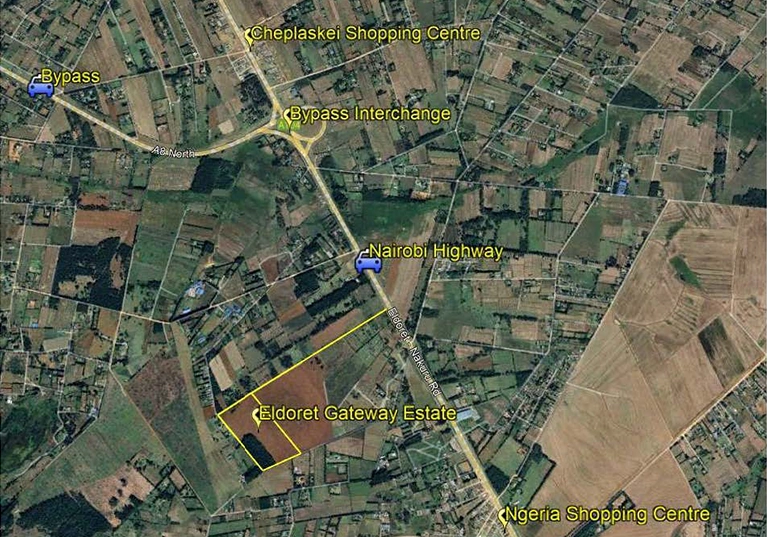
The KPIC website has published listings for developments including Eldoret Gateway Estate in Eldoret, Golden Gates in Juja, and Acacia Groove in Kiserian. These listings provide starting points for further research, but current availability and terms must be confirmed directly with the organization.
Eldoret, Uasin Gishu County
Eldoret may appeal to buyers seeking residential property outside Nairobi. When assessing land in this area, consider road access, nearby employment opportunities, schools, healthcare, water availability, and electricity.
Additionally, compare the asking price with other plots in the same locality. A property that appears affordable may require additional spending on access roads, utilities, fencing, or site preparation.
Juja, Kiambu County
Juja may interest people looking for plots for sale in Kiambu and land within reach of Nairobi. However, accessibility varies significantly between individual developments.
Before purchasing, examine the actual route to the plot, public transport options, surrounding development, drainage, and availability of essential services. Furthermore, compare the full acquisition cost with similar land for sale in Kiambu.
Kiserian, Kajiado County
Kiserian may appeal to buyers exploring plots for sale in Kajiado, including those planning residential homes outside the capital.
Nevertheless, investigate water access, road conditions, electricity, neighbouring land uses, and applicable planning restrictions. Visit the exact site rather than relying exclusively on maps or promotional photographs.
Comparing Other Locations
You may also compare Police Investment Land Projects with other land for sale in Kenya, including plots for sale in Machakos and land for sale near Nairobi.
Ultimately, the right location depends on your budget, intended use, and preferred timeframe. Therefore, compare individual parcels on their legal status, accessibility, infrastructure, and total cost—not merely on the name of the development.
4. How Much Do Police Investment Land Projects Cost?
There is no single price for Police Investment Land Projects. The cost depends on the location, plot size, access to services, development status, and the terms offered by the seller.
For example, the KPIC website has published cash prices for selected 50 × 100-foot plots in the following developments:
- Eldoret Gateway Estate: Previously listed at KES 1,250,000 for members and KES 1,370,000 for non-members.
- Golden Gates, Juja: Previously listed at KES 2,400,000 for members and KES 2,450,000 for non-members.
- Acacia Groove, Kiserian: Previously listed at KES 1,200,000 for members and KES 1,250,000 for non-members.
These are examples from published listings, not guaranteed current offers or independent property valuations. Prices and availability can change. Therefore, consult the official KPIC website for current listings and obtain a written quotation before making a decision.
When comparing these prices with other plots for sale in Kenya, consider the complete cost of purchasing the property. In addition to the advertised price, you may need to budget for legal fees, applicable taxes and duties, registration expenses, survey costs, and other transaction-related charges.
Furthermore, find out whether the plot is serviced and whether the advertised price includes any infrastructure or development costs.
A lower purchase price does not automatically mean better value. Instead, compare the location, legal documentation, accessibility, services, and total amount payable.
5. Can You Purchase Land Through Installments?
Installment land purchase arrangements can help buyers spread the cost of a plot over an agreed period. However, the availability of monthly payment options depends on the seller and the particular project.
If a Police Investment Land Projects listing advertises installments, request the complete terms in writing before paying a deposit.
Your agreement should clearly state:
- The total purchase price.
- The required initial deposit.
- The amount and frequency of each installment.
- The payment period and due dates.
- Any administration, legal, or processing fees.
- The consequences of late or missed payments.
- The conditions for cancellation and refunds.
- The conditions and timing for transferring ownership.
Moreover, determine whether the installment arrangement is offered directly by the seller or involves a separate lender. Do not assume that a cooperative’s property sales and a related SACCO’s financing services are the same arrangement.
Calculate the full amount payable, not merely the monthly installment. For instance, a low monthly payment may still result in a substantial total cost when fees and the repayment period are considered.
Ultimately, select a payment plan that fits your budget and is supported by a clear, legally reviewed agreement.
6. How to Verify Land Ownership Before Investing
Due diligence is essential for every land purchase, regardless of whether the property is advertised by a private owner, developer, or cooperative.
The following steps can help you reduce risk when evaluating Police Investment Land Projects.
Step 1: Obtain the exact parcel details
Request the title or parcel number, registered owner’s name, plot size, location, and available ownership documents. Confirm that these details refer to the exact property being offered to you.
Step 2: Conduct an official land search
Use the appropriate land registry or government service to establish registered ownership and check for recorded encumbrances. The State Department for Lands provides information about obtaining a search certificate.
You can also consult Ardhisasa, the government’s digital land information and transaction platform, where applicable.
An official search is an important part of verification. However, it should not replace a broader review of the transaction and the land itself.
Step 3: Confirm the seller’s authority
If the registered owner is a company, cooperative, or other legal entity, establish that the person signing the sale agreement has the authority to act on its behalf.
Where necessary, request supporting corporate or authorization documents and have a qualified Kenyan property lawyer review them.
Step 4: Confirm boundaries and access
Visit the property and, where appropriate, engage a qualified surveyor to confirm its boundaries. Establish whether there is lawful access to the plot and whether the physical location corresponds with the documents.
Step 5: Check planning and land-use restrictions
Confirm the permitted use of the property and investigate relevant planning requirements, easements, road reserves, wayleaves, or other restrictions.
Step 6: Use a written sale agreement
A qualified property lawyer should review the agreement before you commit significant funds. The agreement should identify the parties, parcel, price, payment terms, completion requirements, and ownership transfer obligations.
Step 7: Keep a clear payment record
Pay only through verified, documented channels in the name of the appropriate legal entity or person. Obtain official receipts and retain copies of correspondence and agreements.
These steps do not eliminate every risk. Nevertheless, they provide a stronger foundation for making a secure land investment in Kenya.
7. Police Housing Projects and Residential Property Investment
Some buyers researching Police Investment Land Projects are primarily interested in constructing a home rather than reselling land.
In that case, evaluate whether the property is suitable for your intended building project. Consider the plot size, terrain, drainage, access roads, water supply, electricity, and proximity to essential services.
Additionally, verify planning requirements and confirm whether the land can legally be used for the type of development you intend to undertake.
Police housing projects and cooperative housing projects can involve different ownership structures and eligibility rules. Consequently, establish whether an opportunity concerns a residential plot, a completed house, a housing development, or a financing arrangement.
Do not assume that purchasing a plot automatically gives you access to construction financing or that a housing project guarantees a completed home.
Before committing funds, develop a realistic budget covering land acquisition, professional fees, approvals, construction, utility connections, and ongoing maintenance.
For buyers planning to build later, also consider how the property will be secured and maintained while it remains undeveloped.
8. Diaspora Land Investment in Kenya
Kenyans living abroad may consider Police Investment Land Projects as part of a long-term plan to build a home, return to Kenya, or diversify their investments.
However, purchasing land remotely requires careful controls because the buyer may not be able to visit the property or attend every stage of the transaction.
If you want to buy land in Kenya from abroad, consider the following precautions:
- Verify the seller and project using independently sourced official contact details.
- Obtain the parcel number and arrange an official land search.
- Appoint a qualified Kenyan property lawyer who represents your interests.
- Arrange an independent site inspection and, where appropriate, a survey.
- Confirm the payment recipient before transferring money.
- Use a written agreement that explains the completion and transfer process.
- Keep digital and physical copies of all relevant records.
Furthermore, do not rely solely on a relative, agent, or project representative to confirm ownership. Independent verification is especially important when you cannot personally inspect the property.
Diaspora land investment in Kenya can be convenient when properly managed. Nevertheless, remote purchasing does not remove the need for legal checks, site verification, and clear documentation.
9. Common Mistakes to Avoid When Buying Land
Even a seemingly attractive property opportunity can become costly if important checks are overlooked. Therefore, avoid these common mistakes when evaluating Police Investment Land Projects.
Paying before verifying ownership: Always establish who owns the parcel and whether the seller has authority to transfer it.
Assuming institutional branding guarantees safety: A reference to the Kenya Police, a SACCO, or an investment cooperative is not a substitute for checking the actual property.
Relying on outdated prices: Online advertisements may not reflect current availability or payment terms. Request an updated written quotation.
Ignoring additional costs: Legal fees, taxes, registration, survey work, utilities, and site preparation can increase the total investment.
Skipping a site visit: A physical inspection can help identify access problems, boundary concerns, drainage issues, or differences between the advertised and actual location.
Signing an unclear agreement: Ensure the contract explains the parties’ obligations, payment conditions, completion process, and remedies if the transaction fails.
Rushing because of sales pressure: Do not transfer money simply because you are told that a plot is almost sold out. Verify the opportunity first.
By taking these precautions, you can compare genuine land for sale in Kenya more confidently and make decisions based on evidence rather than pressure.
10. Why Due Diligence Matters for Long-Term Land Investment
Land can form part of a long-term financial plan, but it is not a guaranteed investment. Prices may rise, remain stable, or fall, and selling a plot may take time.
Therefore, assess each opportunity according to your financial goals and the characteristics of the property.
If you intend to build a home, prioritize legal ownership, accessibility, services, and suitability for construction. Conversely, if you intend to hold the land for resale, research local demand, planned infrastructure, competing properties, and the potential costs of holding the investment.
Additionally, consider how much money you can afford to commit without disrupting your emergency savings or other financial obligations.
A disciplined approach is more useful than relying on promises of rapid appreciation. Consequently, treat Police Investment Land Projects as opportunities to investigate—not as automatic guarantees of profit or security.
Frequently Asked Questions
1. What are Police Investment Land Projects?
Police Investment Land Projects is a general term used for land and property opportunities marketed in connection with police-related investment organizations or cooperative institutions. Buyers should identify the specific project, seller, and registered landowner before purchasing.
2. Where can I find Kenya Police Investment Co-operative land projects?
Start with the official Kenya Police Investment Co-operative website. Review the published listings, then confirm current availability, prices, payment terms, and property documents directly with the organization.
3. Are police investment land projects genuine?
The legitimacy of a transaction depends on the specific seller, parcel, and documentation. Do not assume that every advertisement using a police-related name is authorized. Verify ownership through the appropriate land registry, confirm the seller’s authority, and obtain independent legal advice.
4. Can I buy land through installments?
Some sellers offer installment arrangements, but terms vary by project. Confirm the deposit, total price, repayment schedule, additional fees, cancellation conditions, and transfer process in a written agreement.
5. Can Kenyans living abroad buy land in Kenya?
Kenyans living abroad can explore eligible property opportunities in Kenya. However, they should use independent legal representation, verify ownership, arrange site inspections, and confirm payment instructions before transferring funds.
6. What documents should I check before buying a plot?
Depending on the transaction, relevant documents may include title or parcel details, an official search, the sale agreement, survey or registry information, applicable approvals, and documents confirming the seller’s authority. A qualified property lawyer can advise on the requirements for the specific parcel.
7. Are plots near Nairobi always a better investment?
No. Land near Nairobi may appeal to some buyers because of accessibility and demand, but location alone does not guarantee appreciation. Compare legal status, infrastructure, purchase price, development potential, and the intended holding period.
8. How do I avoid land fraud in Kenya?
Verify the registered owner, conduct an official search, inspect the property, confirm the seller’s authority, use a qualified lawyer, and retain written records of all payments. Avoid making decisions based solely on promotional material or pressure from a salesperson.
Internal Linking Recommendations
Add contextual links to relevant pages on your website to help readers explore related property opportunities.
- Kenya Police Land for Sale: Link to your article about finding and verifying police-related land opportunities.
- Kenya Police Sacco Land Projects: Link to your guide explaining cooperative property developments.
- Police Housing Projects in Kenya: Link to your article about housing developments and residential property options.
- Land for Sale by Kenya Police Sacco: Link to your guide on verifying the seller and purchasing land safely.
- Land for Sale Near Nairobi: Link to your location-focused article comparing nearby property opportunities.
- Plots for Sale in Machakos: Link to your guide for readers comparing land outside Nairobi.
Use descriptive anchor text naturally within relevant paragraphs. Only link to pages that exist and contain useful, relevant information.
External Authoritative Sources
Use the following resources to help readers verify information and understand the land acquisition process:
- Kenya Police Investment Co-operative — Official website for the organization’s published property listings and information.
- KPIC About Us — Background information about the organization.
- KPIC FAQs — Information about its stated property purchasing arrangements.
- State Department for Lands: Issuance of Search Certificate — Guidance on obtaining a land search certificate.
- Ardhisasa — Government digital platform for land information and eligible land transactions.
- Kenya Law — Access to Kenyan legislation and legal materials relevant to land transactions.
Conclusion
Police Investment Land Projects may provide opportunities for buyers researching residential plots and organized property investment in Kenya. However, the quality of a purchase depends on the specific parcel, its legal status, the seller’s authority, and the terms of the transaction.
Therefore, begin with reliable information, compare locations and total costs, and verify ownership before making a payment. In addition, use a written agreement and seek qualified legal advice whenever necessary.
Whether you are looking for land for sale near Nairobi, plots for sale in Kiambu, residential property in Kajiado, or a long-term investment elsewhere in Kenya, careful due diligence should remain your priority.
Police Investment Land Projects should be evaluated on verified documents, transparent terms, and the suitability of the property—not on promotional claims alone. With thorough research and professional guidance, you can make a more informed decision about buying land in Kenya.